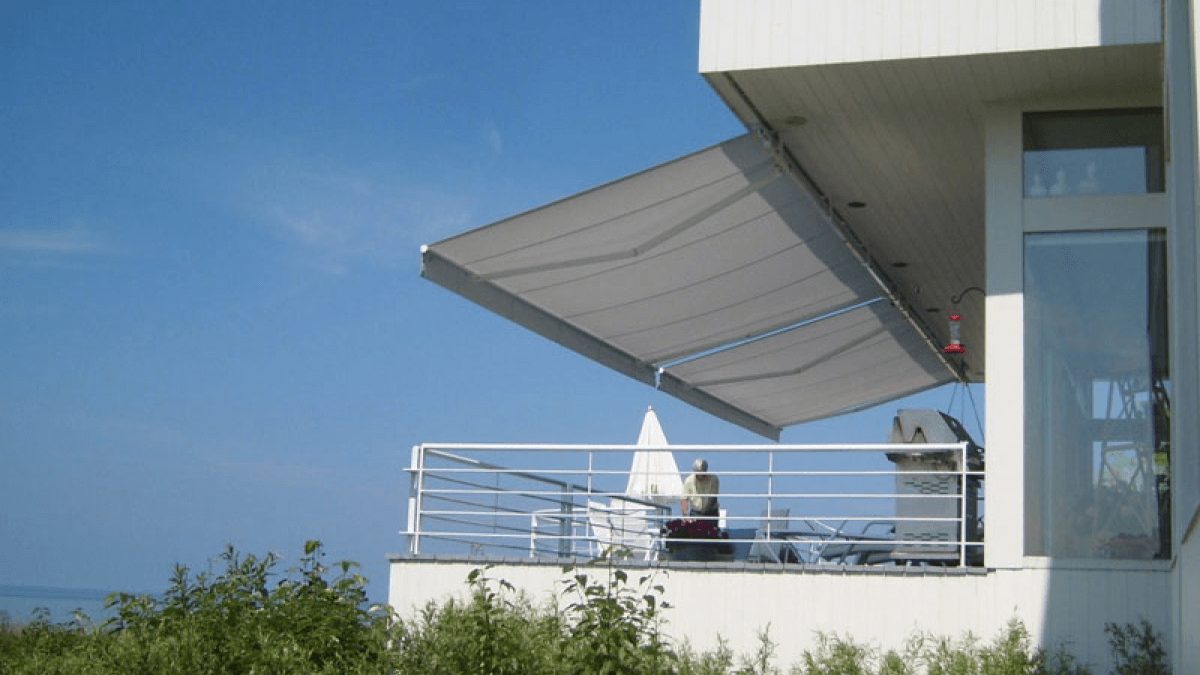
In the scorching heat of the Australian sun, shade is more than just a respite; it’s a sanctuary. Defined as an area sheltered from direct sunlight, shade provides relief from the intense heat and UV radiation that characterise much of our climate. Understanding the psychology of shade is crucial for appreciating its profound impact on our well-being. It goes beyond mere physical comfort, delving into how shaded environments influence our emotions, thoughts, and social interactions.
Quick Guide:
- Biological and Evolutionary Perspective
- Psychological Impact of Shade
- Create Shaded Spaces for Human Comfort and Well-Being
Biological and Evolutionary Perspective
Ingrained in our DNA is the instinct to seek shade as a survival mechanism, honed over millennia of evolution in harsh environments. Seeking shade helped our ancestors regulate body temperature, conserve energy, and avoid the detrimental effects of prolonged sun exposure, such as dehydration and heatstroke. The evolutionary advantage of seeking shade persists today, shaping our behaviour and preferences for shaded environments.
Biological responses to shade:
- Thermoregulation: The body’s ability to maintain a stable internal temperature is facilitated by seeking shade, which reduces the risk of overheating and heat-related illnesses.
- Vitamin D synthesis: While shade protects from harmful UV radiation, it can also limit the body’s ability to synthesise vitamin D, essential for bone health and immune function.
Balancing the need for shade with adequate sun exposure is crucial for maintaining optimal health and well-being.
Did you know shade has a role in circadian rhythms and sleep patterns?
Exposure to natural light, including periods of shade, plays a vital role in regulating circadian rhythms, the internal clock that governs our sleep-wake cycle. Shade helps modulate light exposure, signalling to the body when it’s time to rest and promoting the onset of sleep. Disruptions to natural light patterns, such as excessive exposure to artificial light or lack of access to shaded environments, can disrupt circadian rhythms and contribute to sleep disturbances and insomnia.
Psychological Impact of Shade
Shade has a soothing effect on mood, eliciting feelings of calmness, tranquillity, and relaxation.
The contrast between shaded and sunlit areas can evoke positive emotions, such as relief and contentment, particularly in hot and sunny climates like Australia.
Research suggests that spending time in shaded environments may reduce feelings of anxiety and promote emotional well-being, offering a refuge from the stresses of daily life.
Exposure to natural environments, including shaded areas, can enhance cognitive function and attentional capacity, according to Attention Restoration Theory (ART). Shade provides a visually and mentally restorative environment, allowing individuals to recharge and replenish mental resources depleted by sustained attention or cognitive fatigue. Spending time in shaded settings may improve concentration, creativity, and problem-solving skills, contributing to overall cognitive well-being and productivity.
Lastly, shade acts as a buffer against environmental stressors, shielding individuals from the physiological and psychological impacts of excessive heat and sun exposure. The presence of shade in outdoor spaces encourages relaxation and encourages people to linger, fostering social interactions and a sense of community. Research indicates that exposure to shaded environments can lower heart rate, reduce muscle tension, and promote relaxation, facilitating stress relief and promoting overall psychological well-being.
Create Shaded Spaces for Human Comfort and Well-Being
Integration of passive design strategies such as building orientation, roof overhangs, shade solutions, and window treatments to minimise solar heat gain and maximise natural shading. Incorporation of green roofs and living walls to provide shade, reduce urban heat island effects, and improve air quality in densely populated areas. Collaboration between architects, urban planners, and landscape designers to create shaded pedestrian-friendly streetscapes, public squares, and gathering spaces that promote social interaction and community engagement.
Designing recreational spaces with a variety of shaded and sunlit areas to accommodate diverse user preferences and activities. Incorporation of natural elements such as water features, vegetation, and natural materials to create inviting and restorative environments conducive to relaxation and leisure. Consideration of user needs and preferences, including accessibility, safety, and comfort, to ensure that shaded recreational spaces are inclusive and welcoming to all members of the community.
Final Takeaway
The psychology of shade offers valuable insights into the profound impact of shaded environments on human behaviour, comfort, and well-being. As we strive to create healthier, more sustainable, and inclusive cities, it is imperative to prioritise the incorporation of shade into urban design and planning initiatives.
Malibu Shade, as a leading provider of high-quality shading solutions, is well-positioned to play a pivotal role in this endeavour. By championing innovative design approaches, promoting evidence-based research, and advocating for shade as a fundamental human right, Malibu Shade can help create vibrant, resilient, and people-centric urban landscapes that enrich lives and foster thriving communities for generations to come.