Urban environments are constantly evolving to meet the needs of growing populations. A critical yet often overlooked aspect of urban planning and design is the role of shade. Shade not only enhances the aesthetic appeal of urban spaces but also offers numerous environmental, health, and social benefits.
Quick Guide:
Historical Perspective
Shade has been a vital component of urban design for centuries. In ancient cities like Rome and Babylon, tree-lined streets and shaded public spaces were integral to city planning. Over time, the importance of shade has evolved, with modern urban planners recognising its role in creating sustainable and liveable cities.
Benefits of Shade in Urban Areas
Shade provides a multitude of benefits in urban areas:
Environmental Benefits
- Temperature Regulation: Shade helps lower temperatures, creating cooler microclimates in urban areas. This cooling effect is particularly beneficial in hot climates, where it can make outdoor spaces more usable and comfortable throughout the year.
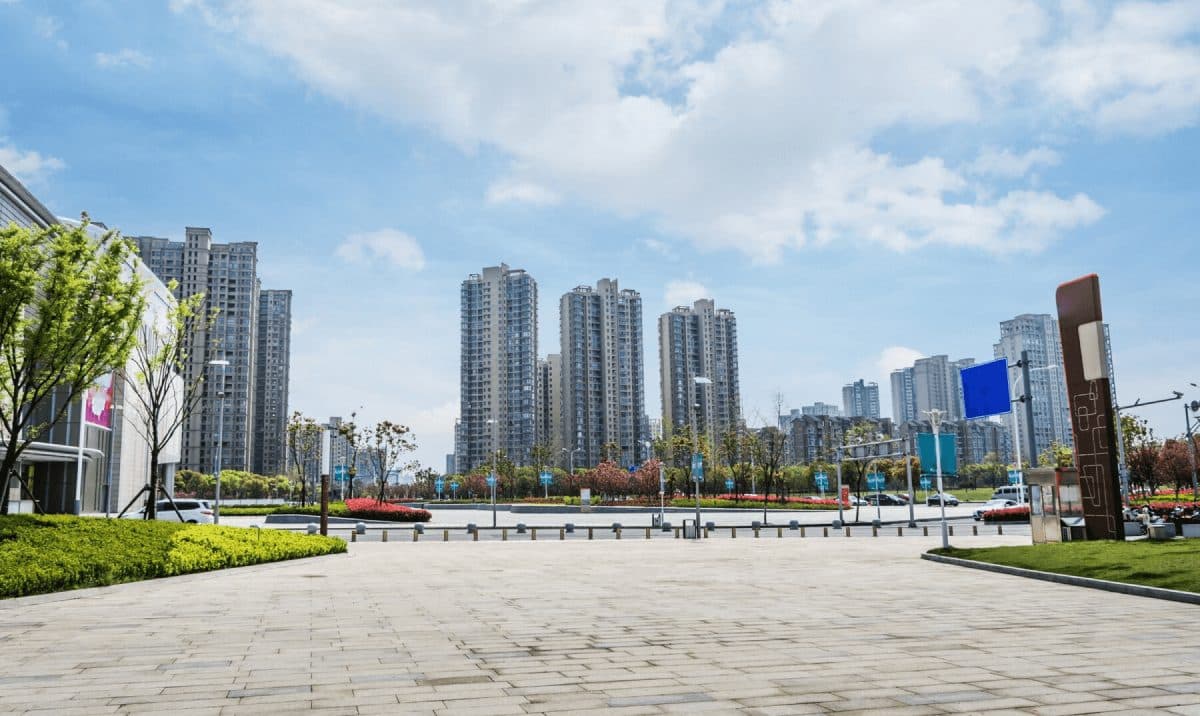
- Mitigation of Urban Heat Island Effect: Shade helps mitigate the urban heat island effect by reducing the amount of heat absorbed by buildings and pavements. This phenomenon occurs when urban areas become significantly warmer than their rural surroundings due to human activities and dense infrastructure.
- Energy Savings: Shaded buildings require less air conditioning, leading to significant energy savings. This reduction in energy consumption not only lowers utility bills but also decreases urban areas’ carbon footprint, contributing to overall environmental sustainability.
Health Benefits
- Protects from Harmful UV Radiation: Shade provides a natural barrier against harmful UV rays, reducing the risk of skin cancer and other health issues. Prolonged exposure to UV radiation can lead to serious health problems, making shaded areas essential for public health.
- Enhance Physical Comfort: Cooler, shaded areas improve pedestrian and cyclist comfort, encouraging outdoor activities. This enhancement in comfort can lead to increased usage of public spaces, promoting a more active lifestyle among urban residents.
- Promotes Outdoor Activities: Shaded parks and public spaces promote physical activity and social interaction, contributing to overall well-being. By making outdoor environments more inviting, shade helps foster community engagement and healthier living habits.
Social Benefits
- Encourage Social Interaction: Shaded public spaces serve as communal gathering spots, fostering social cohesion. These areas can host a variety of activities, from casual conversations to organised events, strengthening community ties.
- Enhance Aesthetic Appeal: Well-designed shaded areas enhance the visual appeal of urban environments, making them more attractive. Aesthetically pleasing spaces can boost the morale of residents and visitors, creating a more enjoyable urban experience.
- Increase Property Values: Properties in shaded areas often see higher market values due to the increased comfort and aesthetic appeal. This rise in property values can have positive economic impacts, contributing to the financial health of urban communities.
Methods of Providing Shade
Various methods can be employed to provide shade in urban areas:
Artificial Solutions
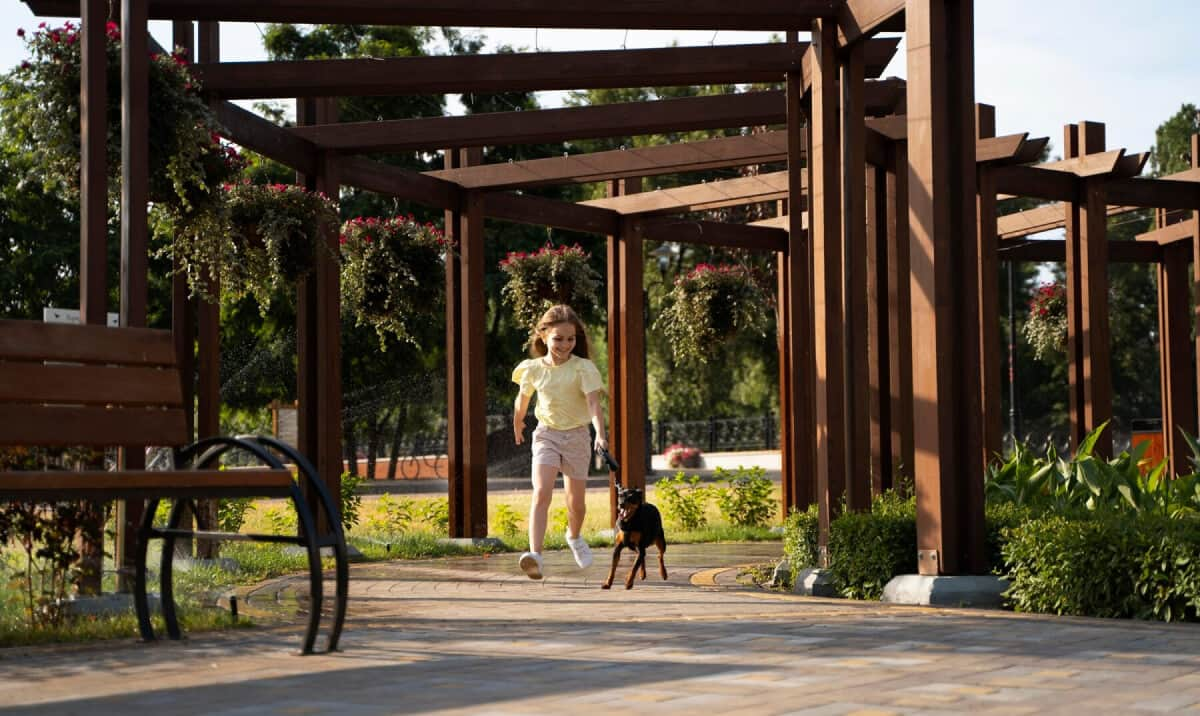
- Architectural Design Elements: Canopies, pergolas, and other structures can be integrated into building designs to provide shade. These elements can be aesthetically pleasing and functional, adding architectural interest while protecting against the sun.
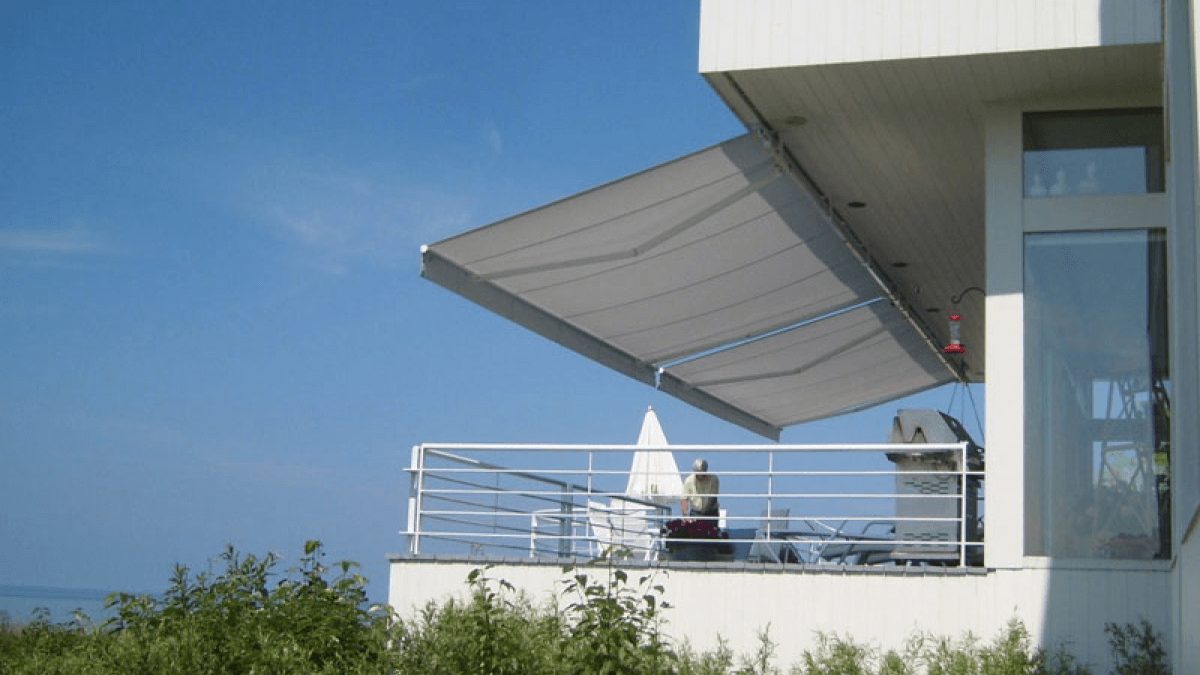
- Shading Structures: Umbrellas, awnings, and other portable structures offer flexible shading options. These can be easily deployed and retracted as needed, providing adaptable solutions for various spaces.
Technological Innovations
- Smart Shading Systems: These systems use sensors and automation to adjust shading based on the sun’s position and weather conditions. Smart shading can optimise energy efficiency and comfort, responding dynamically to environmental changes.
- Reflective and High-Albedo Materials: These materials reflect sunlight, reducing heat absorption and providing cooler shaded areas. By reflecting rather than absorbing heat, these materials help maintain lower temperatures in urban environments.
Shading will become increasingly important in adapting to rising temperatures. As global temperatures rise, effective shading strategies will be crucial for maintaining urban liveability. Incorporating shade as a key component of urban resilience planning. By integrating shade into broader resilience efforts, cities can better withstand and recover from environmental and climatic challenges.
Final Takeaway
Shade plays a crucial role in enhancing the liveability of urban environments. By understanding its benefits and implementing effective strategies, urban planners and designers can create cooler, healthier, and more attractive cities. As we move forward, a collaborative approach involving policymakers, communities, and stakeholders will be essential in integrating shade into urban planning and design. The future of urban spaces depends on our ability to adapt and innovate, ensuring that shade remains a cornerstone of sustainable urban living.